Oct 8, 2026Sourcing Guides
Black Tea Supply Stability: A Buyer's Checklist for Multi-Origin Sourcing
Four checks that keep a black tea program supplied when one origin wobbles: multi-origin blends, capacity and inventory, certification continuity, and traceability.
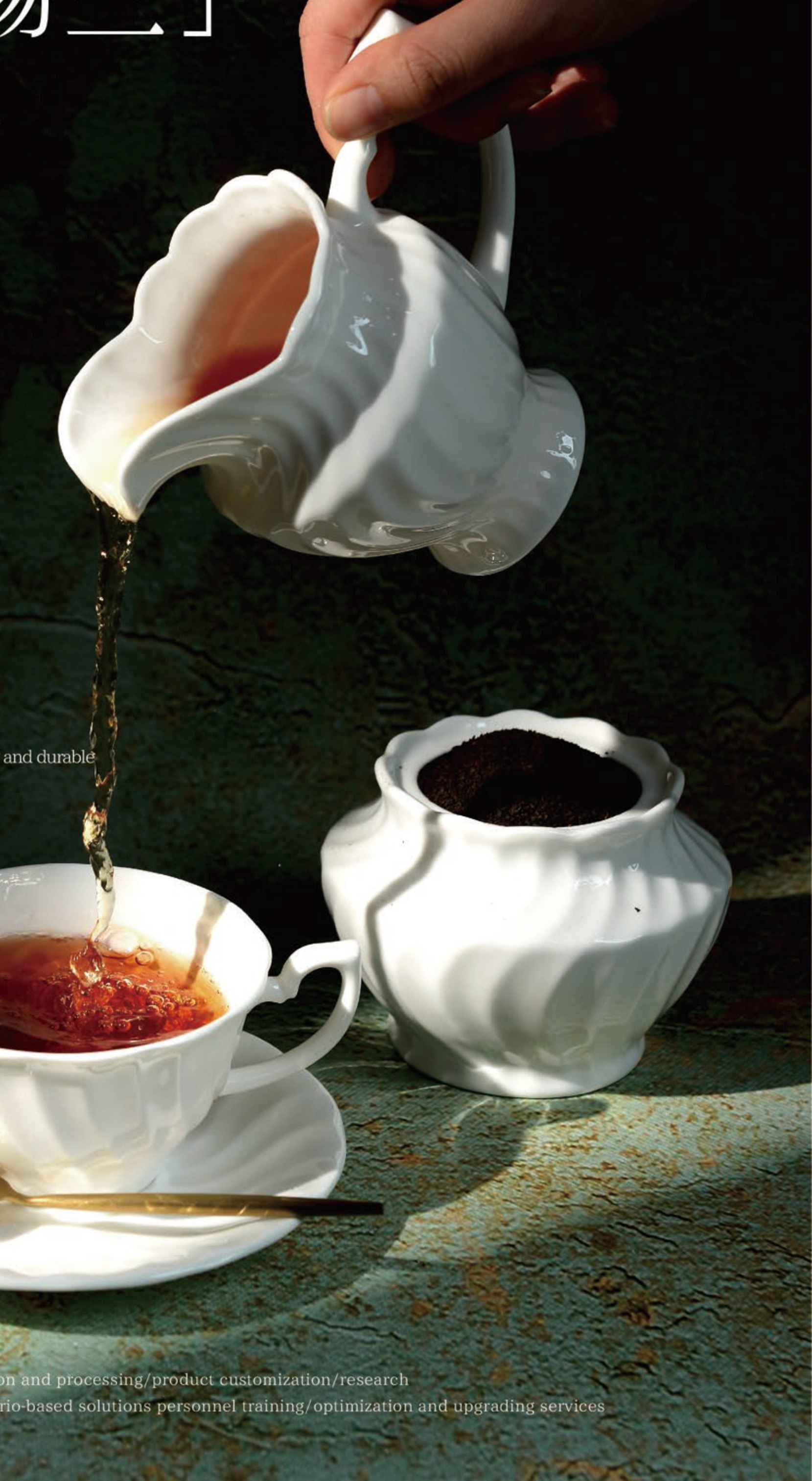
Black tea supply usually breaks in one of three places: the origin, the freight route, or a supplier who depends on a single source. Before you commit to a supplier, run four checks: whether they can rebuild your blend from more than one origin, whether capacity and inventory cover your reorder cycle, whether certifications stay valid when the origin changes, and whether every batch arrives with traceable documents. Ten minutes of checking prevents the most expensive kind of surprise - a best-selling blend you cannot refill.
Where Black Tea Supply Actually Breaks
Origin-level disruption is normal in tea, not exceptional. Weather moves harvest windows, regional events close trade routes, and freight costs reshuffle sourcing economics almost every season. None of this is a problem for a buyer who can reformulate - it only becomes a problem when your program depends on one origin, one grade, or one supplier with nothing behind it. Supply stability is not a promise a supplier makes; it is a structure you should be able to inspect before you sign.
The Four Checks to Run Before You Commit
1. Replaceability Across Origins
Ask the supplier to describe your blend in cup terms - strength, color, liquor - and then name at least two origins that can carry the same role. A supplier who sources a single origin will defend it; a supplier with a genuine multi-origin base will show you the substitution. A breakfast-style black tea, for example, can be built from Ceylon, Assam-style, Kenyan, or other black materials depending on the season, and the blend sheet should state which origin is primary and which is the fallback.
2. Capacity and Working Inventory
Capacity on a brochure and capacity for your reorder cycle are different things. Ask what the plant is rated for per year, how much finished-goods and raw-material inventory is normally held, and how the warehouse is managed. Storage conditions matter for black tea specifically: a refill that arrives stale or moisture-damaged is its own kind of supply failure, even when it arrives on time.
3. Certification Continuity Across Origins
Your import documents do not care where the tea came from; they care whether the producer's certified system covers it. Check that food-safety management, import registrations, and market-specific certifications apply to the same scope of production you are actually buying - including any substitute origin the supplier proposes. A certification that stops at one production line is a gap, not a certificate.
4. Batch Traceability and Documents
Finally, ask what arrives with each batch: batch numbers, production records, and pre-shipment test reports you can hand to your own inspectors or import authorities. Traceability is what turns a supply disruption from a crisis into a managed substitution, because you can show exactly what changed and what stayed the same.
What a Multi-Origin Supply Base Looks Like in Practice
Our own setup follows this structure. The group has sourced black tea globally for 18 years (company brochure), with 10+ tea bases across China, Germany, South Africa, India, Sri Lanka, and Kenya and more than 100 tea materials in the global sourcing base, alongside a published catalog of 84 items across seven series. Two factories run the processing side: the Guangzhou plant, focused on imported black teas since 2017, rated at 3,000 tons per year on 6 lines, and the Chaozhou plant, rated at 8,000 tons per year (24 tons per day, first in Phoenix Dancong output among Chaozhou producers). Combined capacity is nearly 11,000 tons per year, backed by a working inventory of more than 1,000 tons in a constant temperature and humidity warehouse.
The point of listing these figures is not the size - it is the shape. Multi-origin sourcing, dual-plant processing, and working inventory are the three structures a buyer can actually verify, and they are the same three structures behind every stable black tea program, whichever supplier you choose.
How to Start
Send us your target market, your black tea format (loose leaf, tea bags, powder, or extract), and your rough annual volume. We will come back with a blend proposal that names the primary origin and the fallback, the certifications that cover the scope, and samples arranged for tasting. You can reach us through the contact form on our website or on WhatsApp at +86 130 7163 2772. Our export team replies to every inquiry.
Sources and Verification
ISO 22000:2018 food safety management system (HACCP-based), certificate 001FSMS2400758, issued by CQC; verifiable through CQC's official certificate lookup; certified 2024-10-11, valid until 2027-10-10; scope: production of flavored tea, packaging of tea and herbal tea products.
US FDA food facility registration no. 10319209992, DUNS 450984434, valid until 2026-12-31; verifiable on fda.gov and through the access.fda.gov registration database. This is a facility registration (notification), not a product approval by the FDA.
Halal certification to GSO 2055-1:2015 (Halal products general requirements), issued by the Shandong Halal Certification Service (SHC); cross-checkable via ehalal.cn. China export food producer registration obtained.
Company figures - 18 years of global black tea sourcing, 10+ tea bases across China, Germany, South Africa, India, Sri Lanka, and Kenya, 100+ tea materials in the sourcing base, an 84-item catalog across seven series, dual-factory capacity (3,000 tons/year Guangzhou, 8,000 tons/year and 24 tons/day Chaozhou, first in Phoenix Dancong output among Chaozhou producers), 1,000+ tons working inventory, and constant temperature and humidity storage - are stated in company documents (corporate brochure and certificates). Copies are provided on inquiry.