Oct 6, 2026Tea Industry Insights
Cold Brew Tea Programs: Why Chains Are Switching to Extracts
Cold brew tea keeps growing on menus. See why chains run it from extracts: consistency, no brew equipment, less waste.
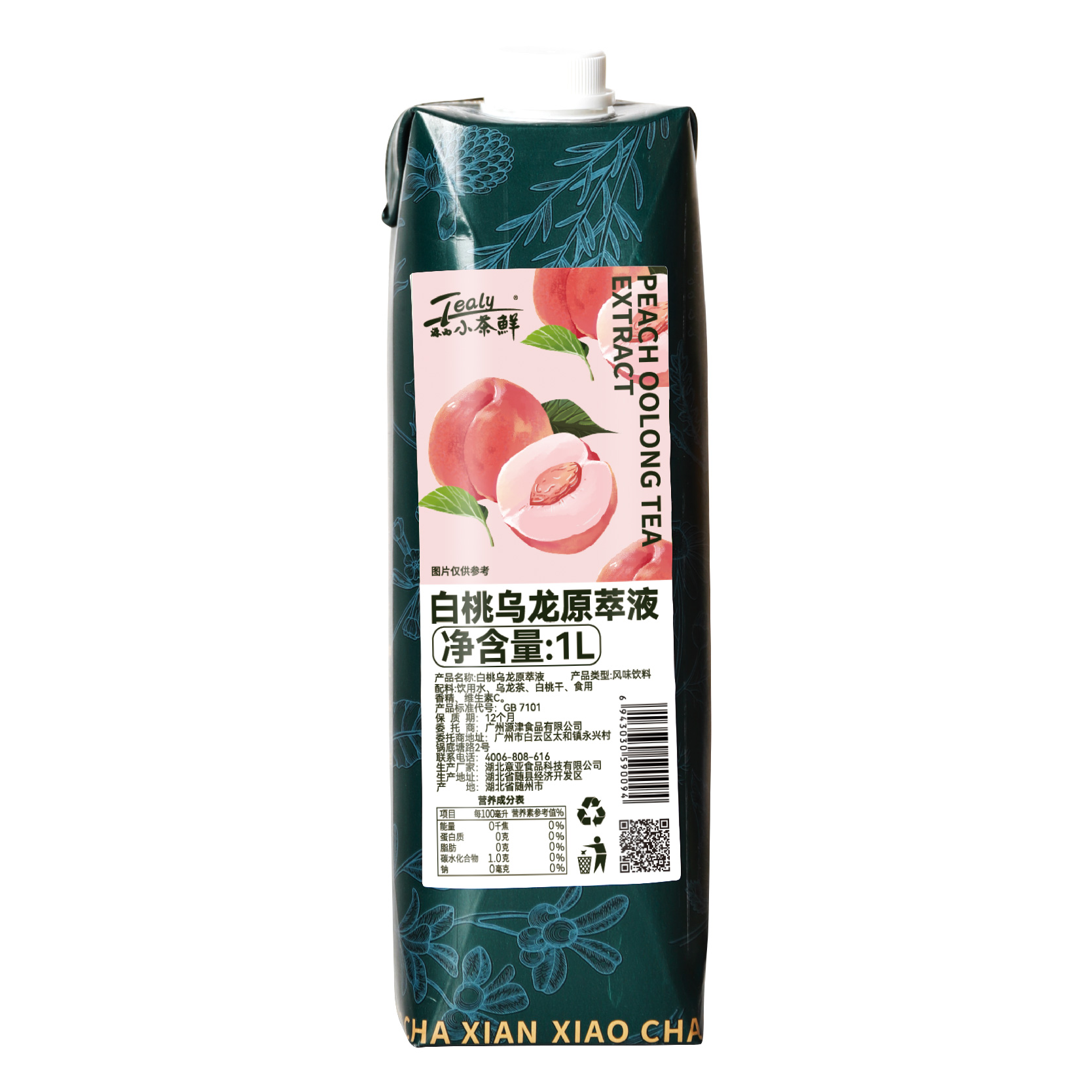
Cold brew tea has climbed from specialty cafe menus to chain menus, convenience programs and bottled lines, and the growth is not slowing: industry analyses such as Grand View Research project the global ready-to-drink tea and coffee market to keep expanding at roughly six percent a year through 2030, and cold brew programs have grown alongside that wave. Behind the trend sits an operational problem every chain eventually hits. Cold brew is easy to describe and hard to execute at scale, and that gap explains why more chains are quietly switching from in-store brewing to tea extracts.
Why Traditional Cold Brew Strains Store Operations
Classic cold brew asks a store to plan a day ahead: leaf and water steep for hours, and what comes out depends on who set it up. Steep times drift between stores and between shifts. Batches over-steep when the morning rush delays straining. Refrigerated shelf life is short, so unsold batch goes down the drain. Every new hire needs training before their first pitcher is drinkable. Multiply those variables across dozens or hundreds of stores, and the category's signature clean, sweet profile becomes a lottery.
The equipment burden compounds it: brew vessels, refrigerator space, filtration and the cleaning schedule that follows, all dedicated to a single menu category that still varies cup to cup. Multiply that equipment list by a store count, add the floor space it consumes, and the category that was supposed to be simple becomes one of the most operationally expensive lines on the menu.
What Changes When the Brew Moves to the Factory
An extract moves the brew upstream. Tea is extracted, standardized and locked at the factory, so the store's job shrinks to dilute and serve. Consistency stops being a training problem because there is nothing left to calibrate: cup one and cup four hundred pour from the same spec. Waste drops because staff prepare only what they serve. And a finished cup comes together in about three seconds, which is the difference between a queue that clears at peak and a queue that walks.
Flavor stability is engineered, not hoped for. Our proprietary aroma customization and lock-aroma technology holds the profile across production runs, and sourcing depth, more than 100 tea materials with a standing inventory above 1,000 tons, keeps the base available season after season.
The Self-Serve Beverage Machine Program
Extracts open a format that leaf can never serve: self-serve beverage machines. Because an extract is a stable liquid, it pairs naturally with dispenser systems where tea, fruit tea and sparkling variations are served on demand, with no brewing station and no barista in the loop.
The menu math is what makes chains take notice. One extract line supports multiple finished drinks: cold brew over ice, sparkling builds, and fruit combinations drawn from our nine developed application recipes, such as pomelo and lemon with Yinhua Xiang or mango, passionfruit and mint with Bailan green. Seasonal rotations become a topping change, not a retraining program.
Equipment application support is part of the same offer. Our team works with chain operators on matching extract, dilution and dispensing equipment, so the drink specification survives contact with real stores.
Consistency Is the Entire Business Case at Chain Scale
Chains do not switch formats for romance; they switch for arithmetic. Extract removes labor minutes per cup, refrigeration overhead and batch waste, and it removes the largest single source of drink variance, human brewing. Just as important for procurement, a specification written once applies to every store, because the extract arriving at store four hundred is the same as the extract arriving at store one.
The group behind the program is built for that scale. Yuanjin Industry Group, founded in 2007, runs two tea factories, in Chaozhou and Guangzhou, with combined output approaching 11,000 tons per year, alongside Xiaochaxian, a dedicated beverage supply chain business serving restaurant chains.
Pilot an Extract Program the Low-Risk Way
Start small and measure. Pick two or three flagship stores, one or two extract-based cold brew recipes, and a defined test window; track speed of service, waste and guest feedback against your current brewed program. Samples and recipes for a pilot like this can be assembled from our existing extract line without waiting on custom development.
Send your store count, target recipes and market through the contact form on our website or on WhatsApp at +86 130 7163 2772. Our export team replies to every inquiry with a pilot proposal built for your footprint.
Sources and Verification
ISO 22000:2018 food safety management certificate no. 001FSMS2400758, issued by CQC (China Quality Certification Centre), valid to October 2027; scope covers flavored tea production and tea/herbal tea packaging. Copy shared during inquiry; issuance verifiable through CQC.
US FDA food facility registration no. 10319209992 (DUNS 450984434), valid to December 31, 2026. Facility registration is required by the Bioterrorism Act of 2002; the registry and program details are published by the FDA at fda.gov and access.fda.gov. Registration is not product approval.
Halal certification issued by Shandong Halal Certification Service (SHC) against GSO 2055-1:2015, the Gulf standard for halal products; cross-checkable through ehalal.cn.
Market growth context: Grand View Research projects the global ready-to-drink tea and coffee market to keep expanding at roughly six percent a year through 2030 (grandviewresearch.com); menu figures for specific chains are not disclosed publicly and are not claimed here.
Note: Catalog, capacity and OEM terms (including MOQ and schedules confirmed per project) come from our published catalog and factory documentation, shared as copies during inquiry. No third-party client names or pricing are disclosed on this site.