Oct 6, 2026Sourcing Guides
Phoenix Dancong Aroma Varieties: A Buyer's Guide to 12 Profiles
A buyer's guide to 12 Phoenix Dancong aroma profiles, from Yashi to Fenghuang Songzhong, plus GI origin notes.
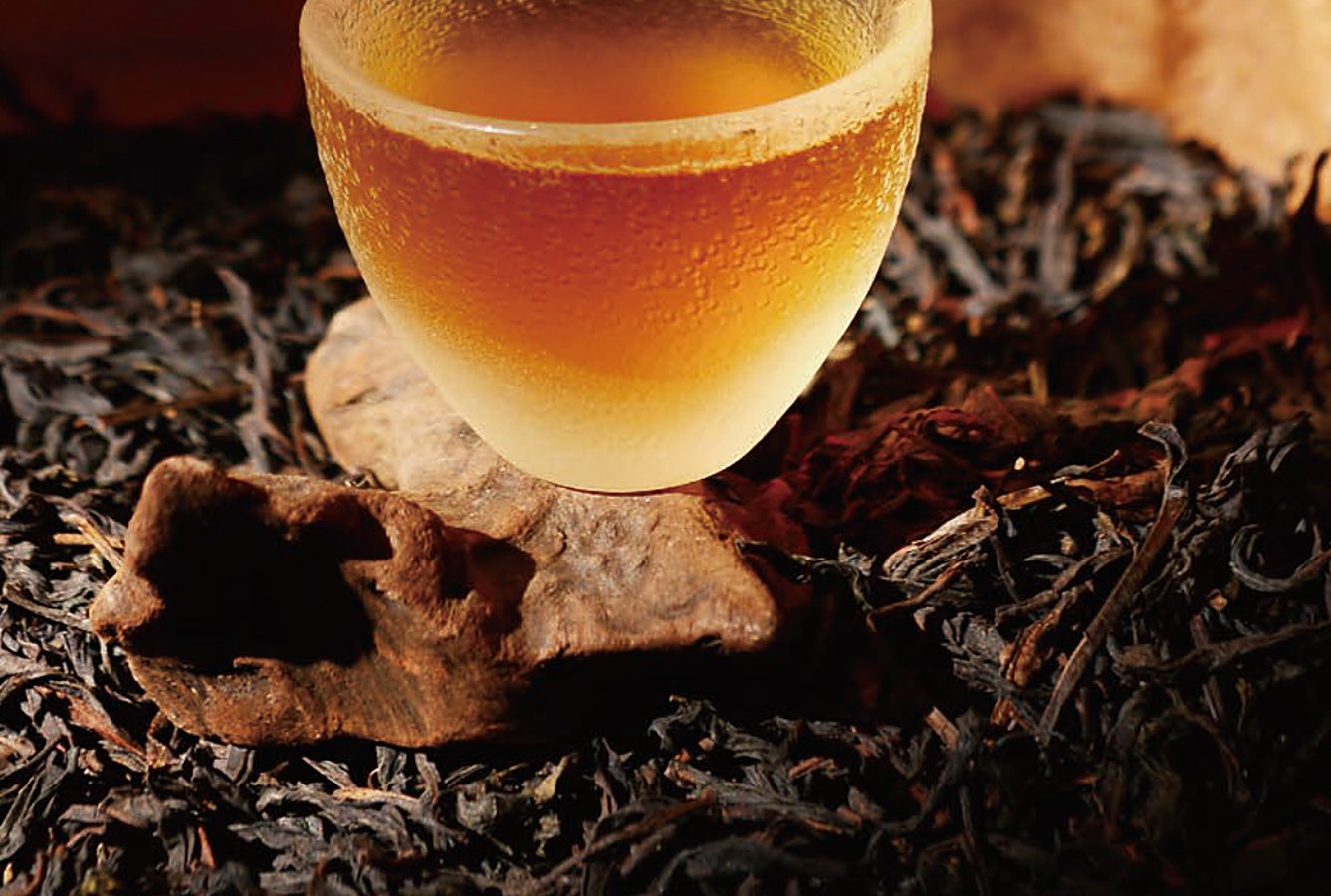
Phoenix Dancong is bought with the nose before the eyes. The category, grown around Phoenix Mountain in Chaozhou, Guangdong, is famous for aroma cultivars that can smell like honey, orchid or almond from leaves of the same species. For buyers, the difficulty is vocabulary: dozens of cultivar names, overlapping romanizations and little guidance on what to actually order. This guide walks through the 12 profiles in our Dancong series and how to choose among them.
A Protected Origin With a Protected Name
Phoenix Dancong Tea carries the China Geographical Indication protected product mark, recorded under certificate no. 9245102MADJPXJ99Q and announcement 2025 No. 660. A GI mark ties the tea to a defined production geography around Phoenix Mountain, and it is the first thing to check when a seller claims origin. Provenance of exactly this kind is what restaurant groups and retail brands increasingly need to document for their own customers.
Our production base, Yuanjin (Chaozhou) Tea Co., Ltd., sits adjacent to Phoenix Mountain and ranks No. 1 in Phoenix Dancong output among Chaozhou producers, processing 24 tons per day and 8,000 tons per year on 12 automated lines across a 30,000-square-meter plant. Two own gardens, Yuanjin Tianfengshan and Yuanjin Pingkengtou, supply high-mountain leaf grown in red soil with more than 100 foggy days per year.
How Dancong Aroma Naming Works
Dancong naming looks chaotic until you see the logic. Most names end in Xiang, the word for fragrance, and the syllables before it point to the aroma direction the cultivar is prized for. Processing adds a second axis: slow-roast versions of a cultivar push the same raw material toward deeper, toastier territory, which is why our series lists both a classic and a slow-roast take on its anchor profiles. Once you read names this way, a 12-item list turns into a navigable map.
The 12 Profiles in Our Dancong Series
Our Dancong series lists 12 items, and they fall into three practical groups.
The honey-orchid and yashi anchors
Milan Xiang is the benchmark of the category and the safest first order: honey-orchid fragrance, broad appeal, a natural anchor for a menu or a shelf. Yashi Dancong, whose notorious literal name translates as duck-shit aroma, is one of the category's most talked-about cultivars and has become a conversation starter on menus. Our Slow-roast Yashi is documented with bold, glossy strips, a deep-brown bright liquor, high honey-floral aroma layered with roast fragrance and a full, heavy body. Slow-roast Milan pushes the classic honey-orchid profile deeper and toastier.
Floral cultivars with distinct personalities
Yinhua Xiang brings a honey-orchid aroma and features in our fruit pairing recipes, including pomelo and lemon. Alongside it sit Huangzhi Xiang, Jianghua Xiang, Youhua Xiang and Tongtian Xiang, each named for its own aroma direction, and Fenghuang Songzhong, a heritage style named for the category's oldest mother trees. These are the profiles that let a buyer build a flight of Dancongs that taste unmistakably related yet clearly different.
Old-bush and specialty styles
The series rounds out with Xuepian Dawuye and Aofuhou, and our featured list extends the range further with Leikouchai, Jiduozai, an almond-aroma cultivar, and Laocong Shuixian, an old-bush style documented with an aged zongye-leaf aroma and a distinct mountain character. These are the orders that differentiate a serious tea program from a generic one.
Every featured profile is documented with dry leaf, liquor, aroma, taste and leaf bottom, available on request per tea, so you can compare sheets before samples ever arrive.
From Cultivar to Cup: Why the Factory Matters
Aroma is decided in processing. The traditional technique is recognized as intangible cultural heritage and follows eight refinement processes from initial handling through final roasting. Our proprietary aroma customization and lock-aroma technology holds each cultivar's profile steady across production runs, which is what makes a Dancong-based menu item safe to scale: the drink you approve at the sample stage is the drink your customers receive in month twelve.
Choose Three Profiles and Benchmark
Our standard advice for a first Dancong program: take one anchor, Milan Xiang or Yinhua Xiang; one conversation starter, Yashi; and one left-field profile such as Jiduozai for its almond note. Cup the three side by side against your current sourcing, with the same water and the same parameters, and the differences buyers argue about in emails become obvious in minutes.
Start Your Dancong Sampling Plan
Send your target profiles, format, destination market and volumes through the contact form on our website or on WhatsApp at +86 130 7163 2772. Our export team replies to every inquiry with profile sheets and a sampling plan covering the profiles you shortlist.
Sources and Verification
Phoenix Dancong (ke) Tea carries the China Geographical Indication protected product mark, recorded under certificate no. 9245102MADJPXJ99Q, announcement 2025 No. 660, published by the China National Intellectual Property Administration (cnipa.gov.cn).
The 12 aroma varieties and their groupings follow our published Phoenix Dancong catalog; sensory descriptions for featured lots (Milan Xiang, Yashi, Laocong Shuixian) are catalog text.
ISO 22000:2018 food safety management certificate no. 001FSMS2400758, issued by CQC (China Quality Certification Centre), valid to October 2027; scope covers flavored tea production and tea/herbal tea packaging. Copy shared during inquiry; issuance verifiable through CQC.
Halal certification issued by Shandong Halal Certification Service (SHC) against GSO 2055-1:2015, the Gulf standard for halal products; cross-checkable through ehalal.cn.
Note: Catalog, capacity and OEM terms (including MOQ and schedules confirmed per project) come from our published catalog and factory documentation, shared as copies during inquiry. No third-party client names or pricing are disclosed on this site.